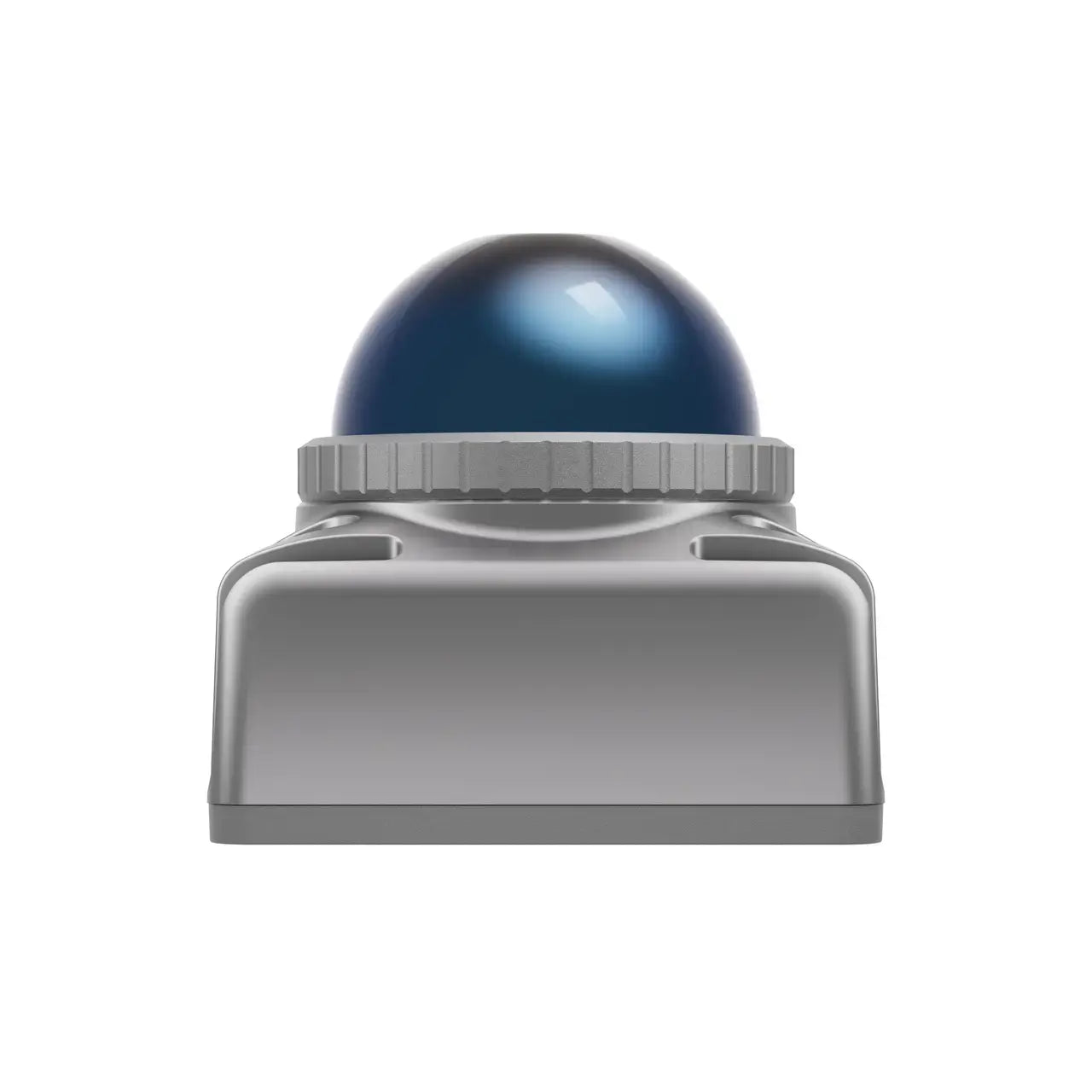
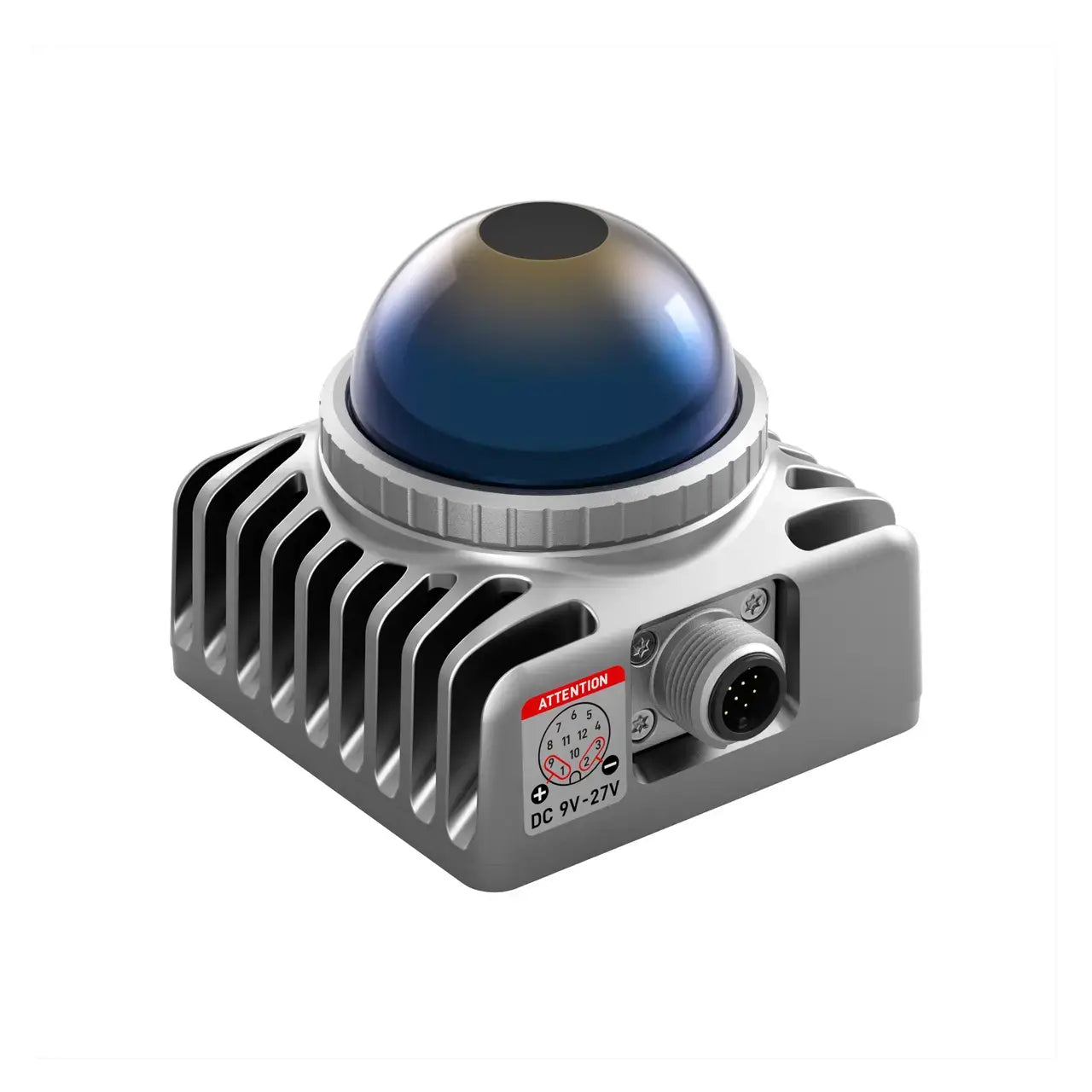
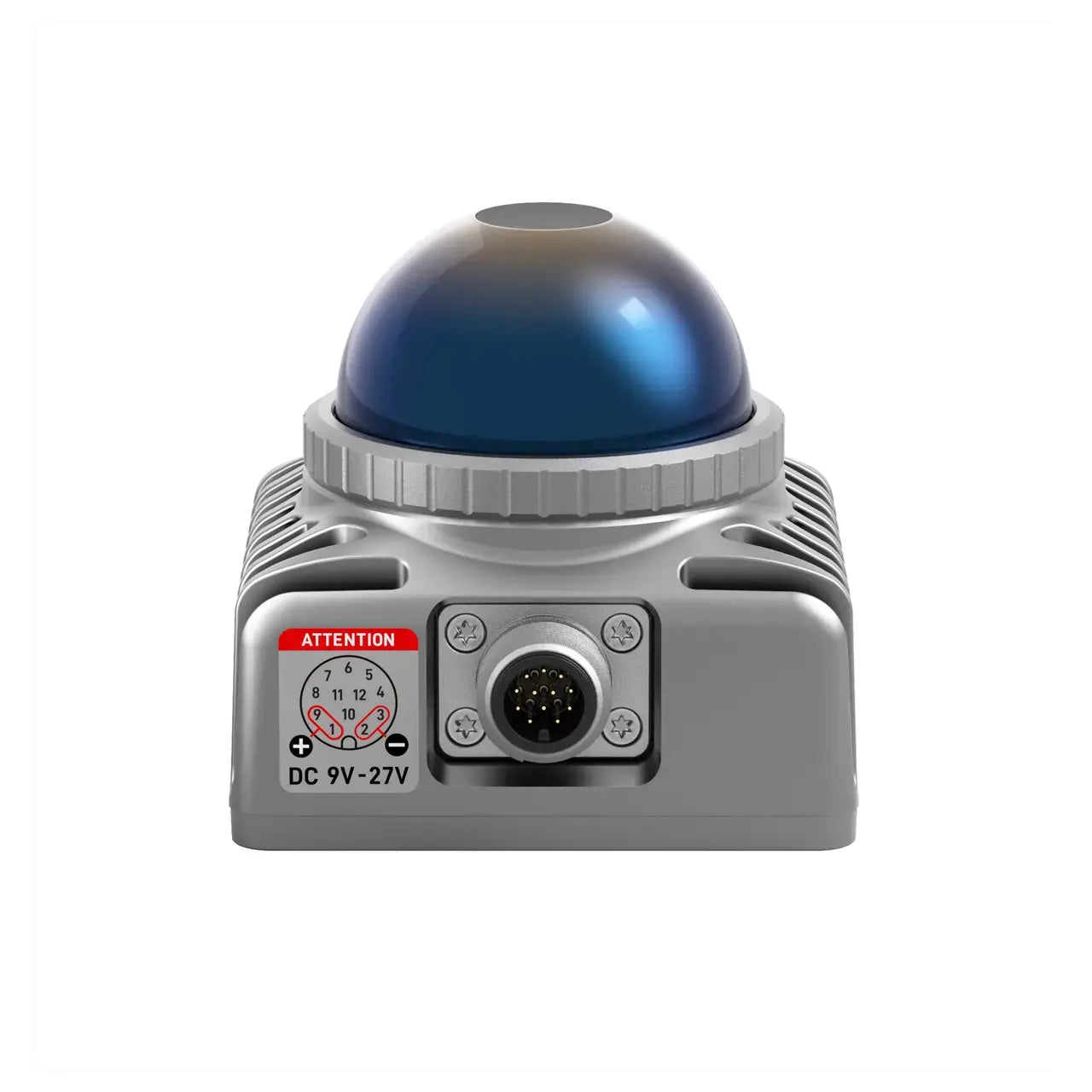
Livox Mid-360S LiDAR for Robotics, AGV/AMR and Drones Mapping
Pairs well with
Free shipping on orders over $2000.
Delivered in 5–10 business days.
30-day hassle-free returns.
Secure global payment protection.
Livox Mid-360S LiDAR for Robotics, AGV/AMR and Drones Mapping
FAQs
Please read our FAQs page to find out more.
What is LiDAR and how does it work?
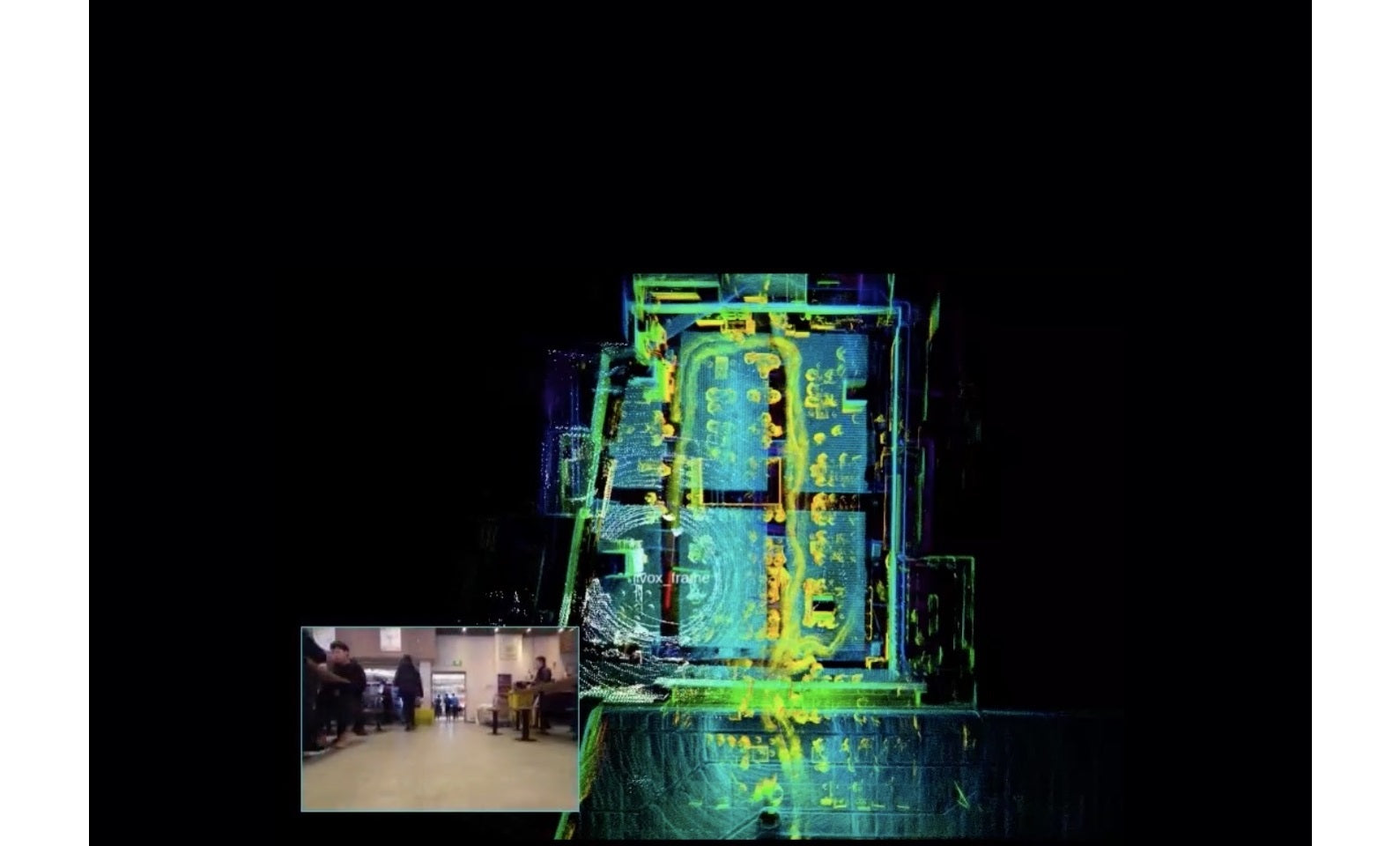
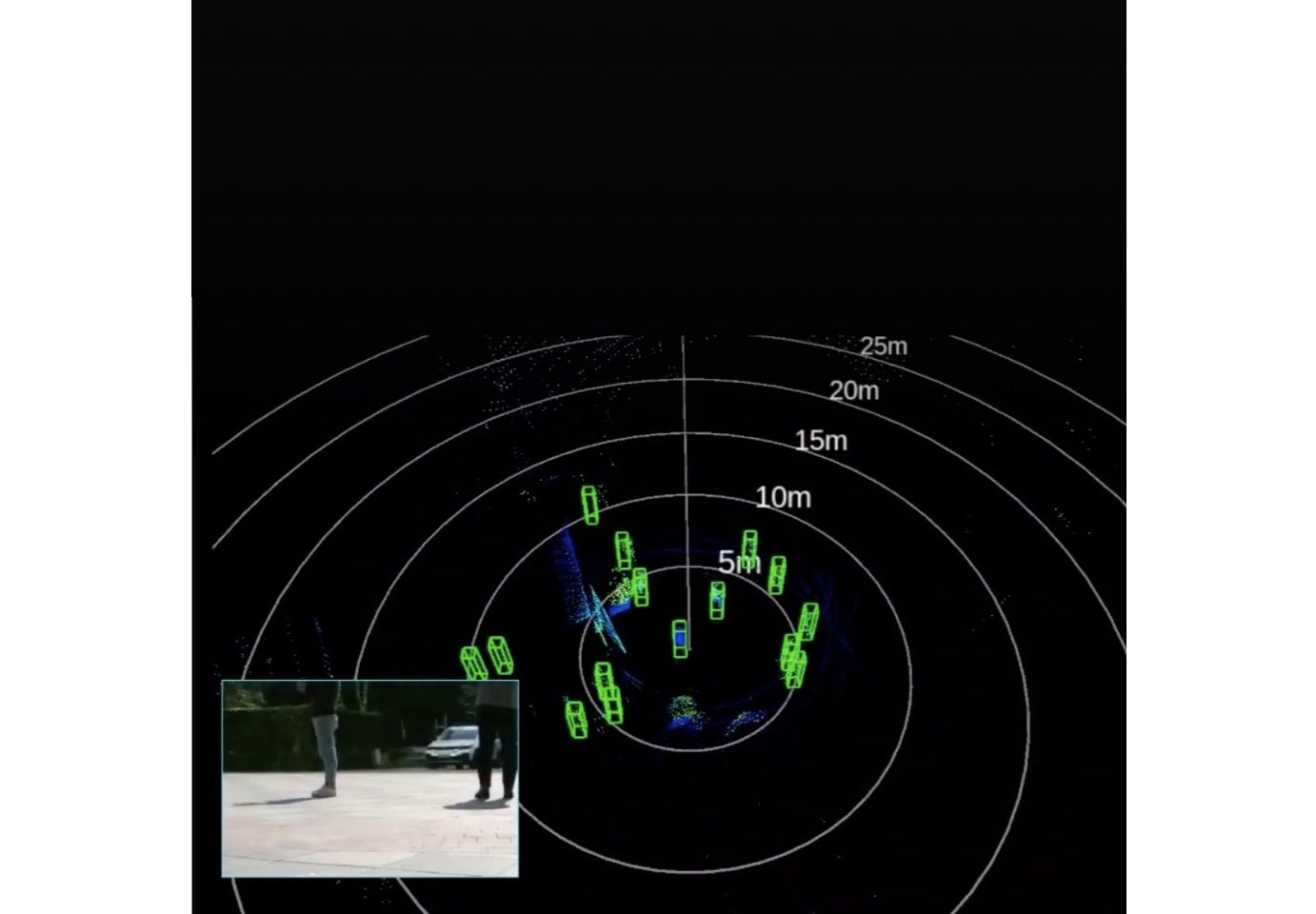
LiDAR (Light Detection and Ranging) uses laser pulses to measure distances and generate precise 3D point cloud data for mapping and perception.
What industries use LiDAR technology?
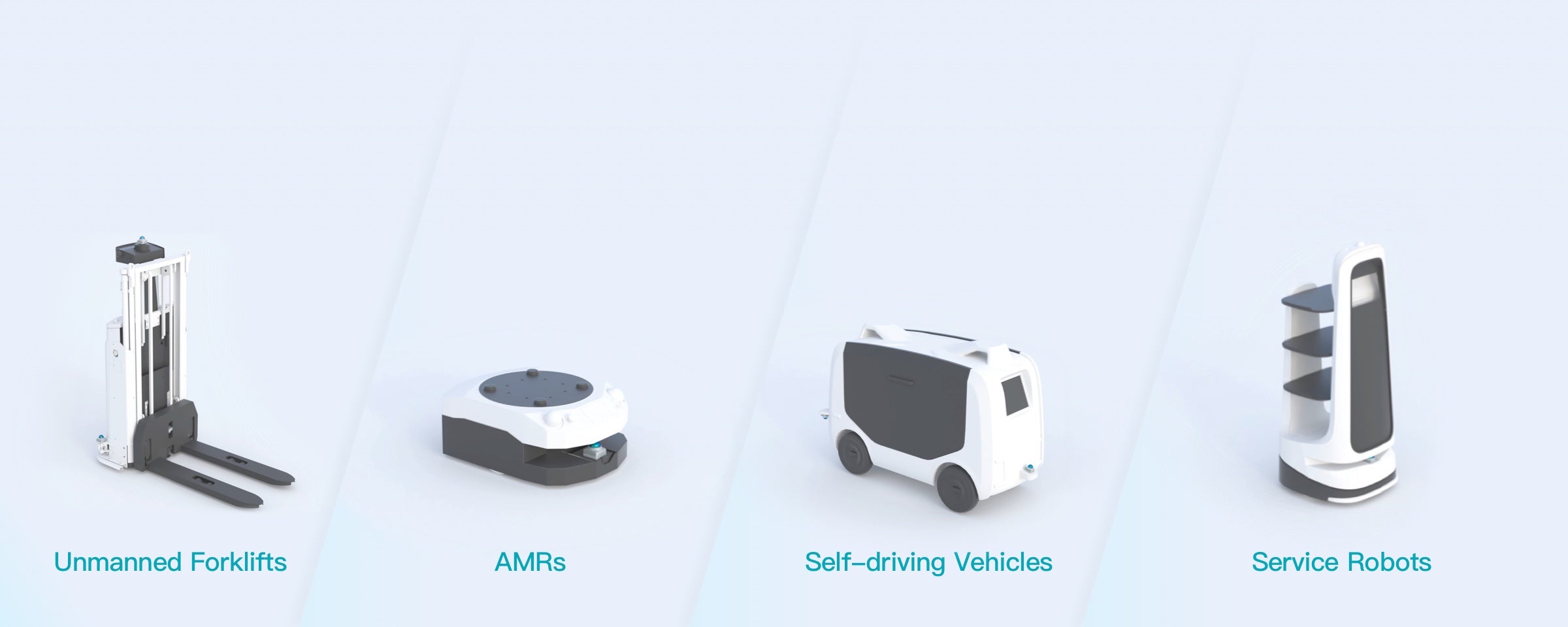
LiDAR is widely used in autonomous driving, robotics, drones, industrial automation, smart cities, and 3D mapping applications.
Which LiDAR should I choose for my project?
It depends on your application. Solid-state LiDAR is ideal for compact systems, semi-solid-state for balanced performance, and mechanical LiDAR for long-range precision.
What is the difference between solid-state and mechanical LiDAR?
Solid-state LiDAR has no moving parts and is more compact and durable, while mechanical LiDAR offers longer range and higher-resolution scanning.
Do you provide technical documentation and SDKs?
Yes, we provide datasheets, SDKs, and integration guides to support development and system integration.
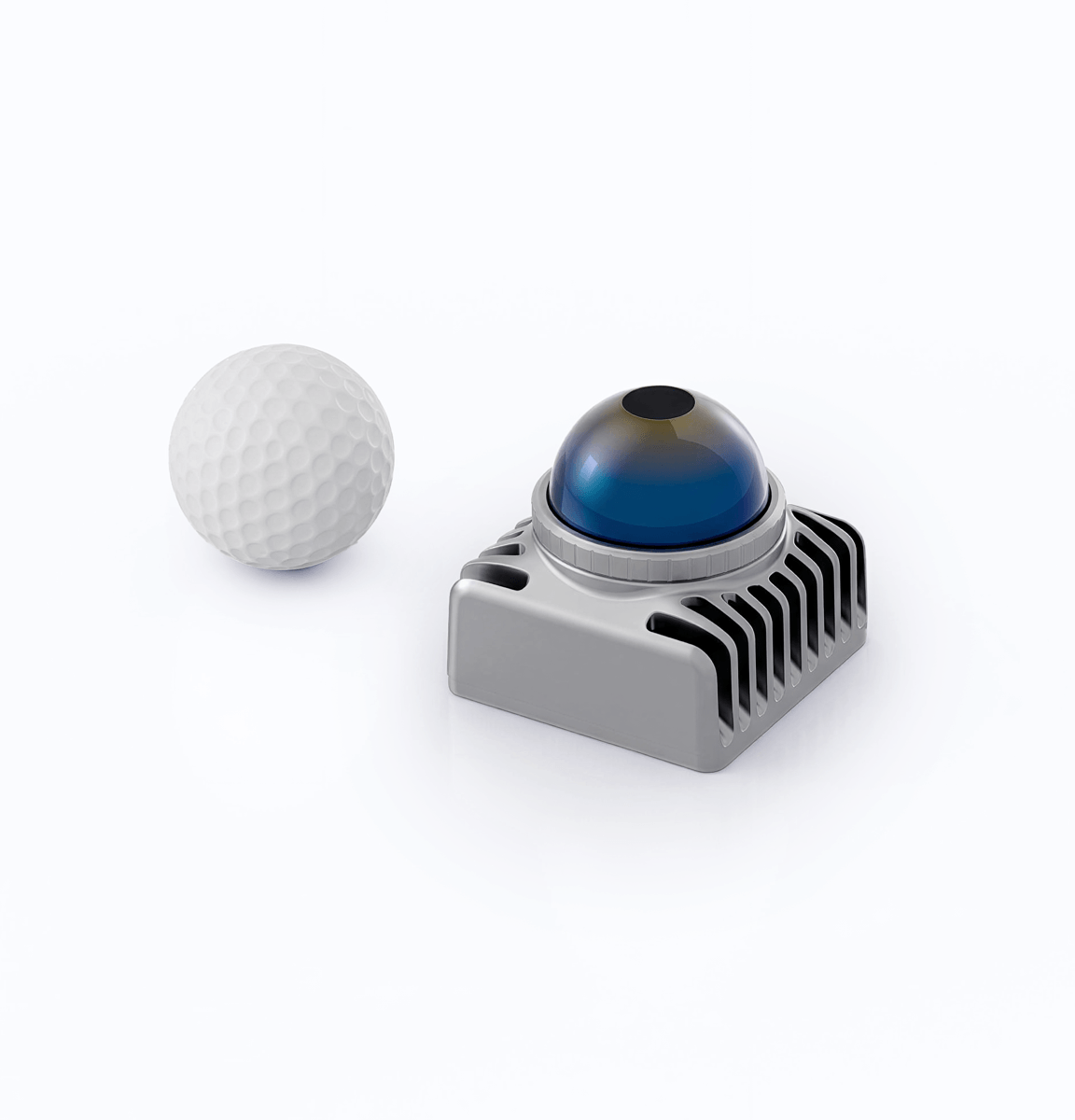
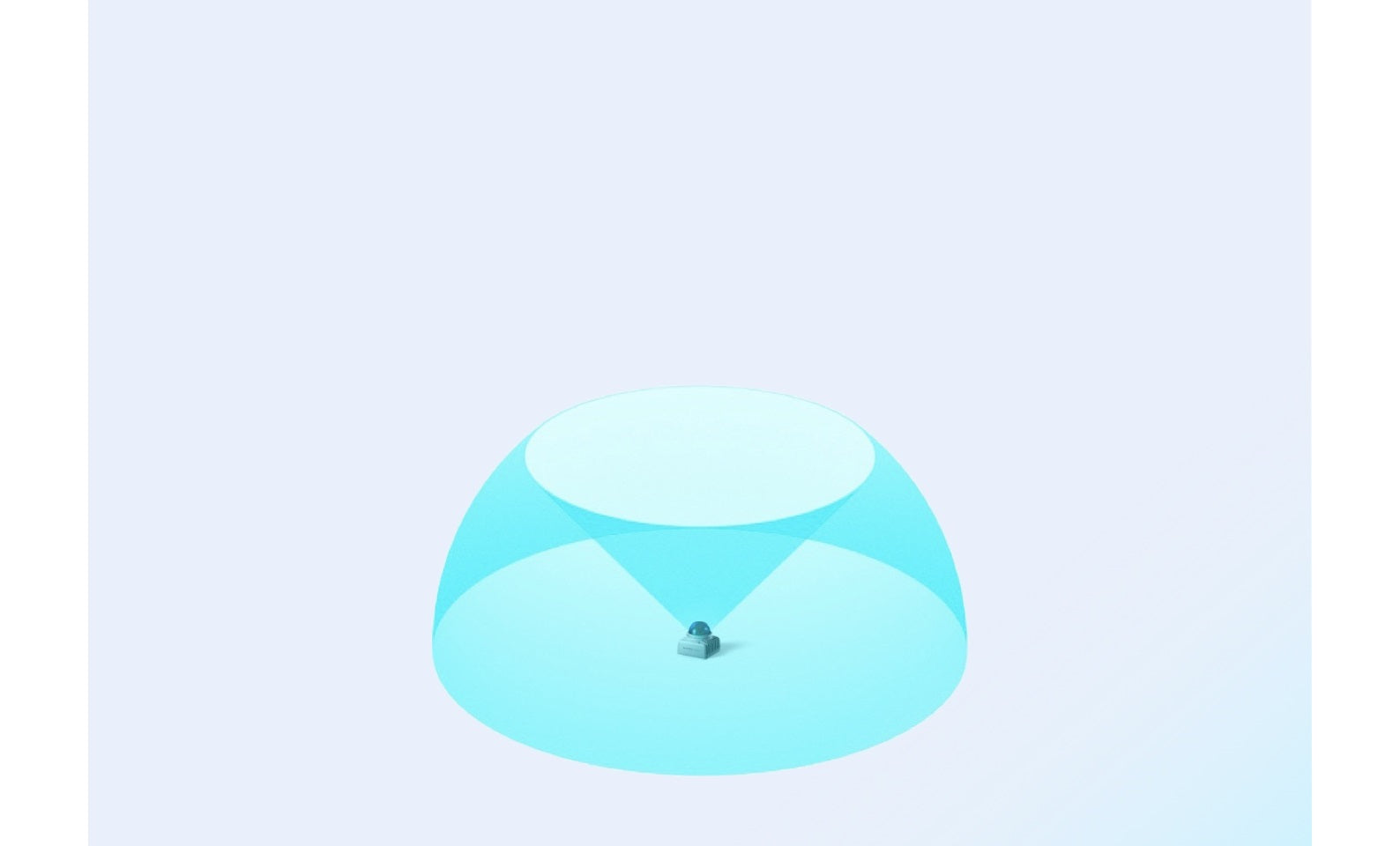
Not sure if Mid-360S is right for your project?
Read our Mid-360S upgrade guide to compare specs, upgrades, and buying considerations.
Livox Mid-360S LiDAR for Robotics and Mapping Applications
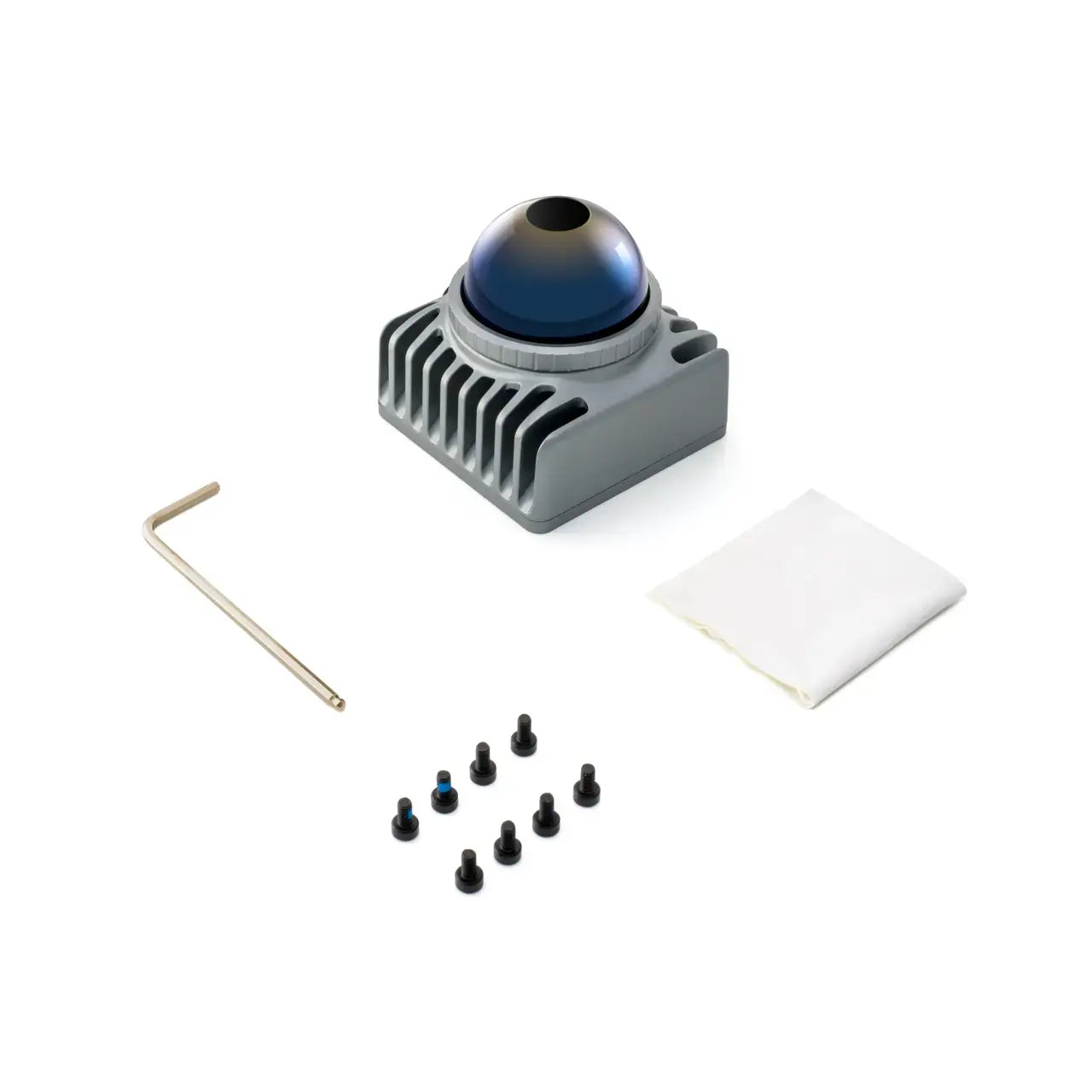
In the Box

Mid-360S LiDAR + Accessory Kit

Specification
